Sunday, 17 October 2010

O: Stars Of The Season


There is little better than waking up at a reasonable hour on a bright Sunday morning in Autumn to the scent of a freshly brewed coffee, knowing that your day consists of very little aside from lounging and reading a copy of your favourite broadsheet. Today was such a morning. In fact it was bettered by the inclusion of O, the Observer's Fashion Supplement by Tank dedicated to fashion four times a year of which menswear is the focus twice. No doubt the winter focused supplement will be well thumbed over the coming hours as I immerse myself in the features on Kris Van Assche, Joe Casely-Hayford, Martyn Bal, Japanese Fashion and Britian's best dressed gangster. However, before I make an ass imprint on the sofa I'd like to share the following feature with you...


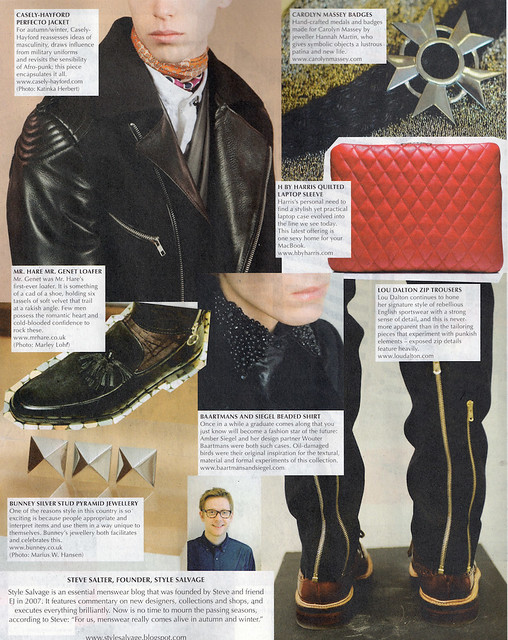
In Stars Of The Season O's editorial team asked a trio of fashion tastemakers to choose their favourites for Autumn/Winter. Amazingly, I was asked. I would never consider myself a tastemaker, to be honest I'm not entirely sure what that label entails but I'm proud to have been asked and pleased to be able to put forward my choices which include the odd piece by a designer that would rarely feature in such a publication. So, alongside Prism's founder Anna Laub and Present's manager Ash, I offered a selection of items that are exciting me this season. It is not the time to mourn the passing seasons because for us, menswear really comes alive when the temperature begins to drop. My choices hopefully reflect the diversity of options throughout the season...

My picks of the season...Casely-Hayford Perfecto Jacket, Hannah Martin for Carolyn Massey medals, H by Harris Quilted laptop bag, Lou Dalton zip trousers, Baartmans and Siegel beaded shirt, Bunney silver stud and Mr Hare Genet loafers.

Now, if you'll excuse I'm going to return to my lazy Sunday. Once I've digested the rest of the supplement I will no doubt offer up a full review but if you do have a chance to pick yourself up a copy, please do because you will not regret it.

Friday, 15 October 2010

Introducing Trine Lindegaard


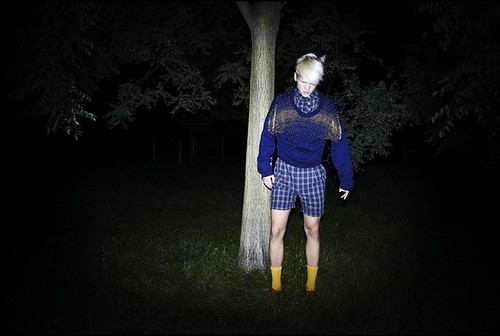
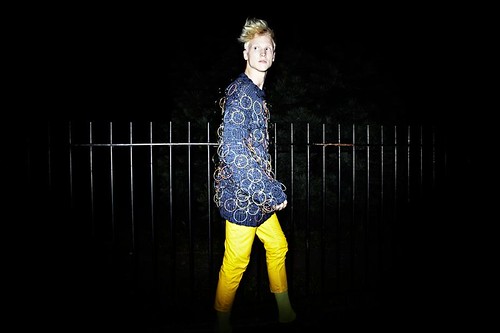
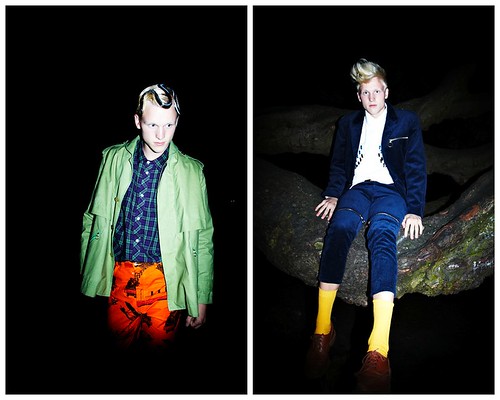
RCA's MA graduate show is undoubtedly one of the most exciting places to discover the fashion stars of the future. The press show took place at the College in the Henry Moore Gallery on 10 June 2010 and I was able to admire a gathering of some of the newest and freshest menswear and womenswear talent to be be unleashed this year. The subsequent weeks saw me interview a few of my favourite graduates but there was one collection that impressed me immensely but for whatever reason, I failed to secure an interview with the student behind it. Weeks rolled past and then fashion month was upon us and the collection was pushed back to the deepest, darkest cavern of my memory. Thankfully,  the story doesn't end there. The current issue of Fashion156, The Urban Country Issue, pushed Trine Jensen's collection to the forefront of my imagination once more. Guy Hipwell's latest editorial celebrates Trine's colourful and eccentric final collection and reminds me that she is one of the mouth watering prospects of this year's crop. The young talent drew inspiration from her childhood memories of being surrounded by weird and wonderful eccentrics and collectors when she  grew up in Denmark. Her fabric choices of corduroy and waxed cottons along with the silhouettes recall these rather geeky people, whilst the embellishments echo their collections. Having been reminded of her collection, I couldn't miss out on interviewing her twice so here we learn about her recently launched brand Trine Lindegaard, discuss her experiences at the RCA and acquire her advice for future menswear design students...
 
SS: What were your inspirations, your dreams and the driving catalyst for launching Trine Lindegaard?
Trine Lindegaard: Starting my own label has always been the plan; the initial idea was to work in the industry for a couple of years before hand. After graduating I decided to do it straight away. Why waste any time?

SS: Aside from it being your name, what does Trine Lindegaard mean to you?
Trine Lindegaard: It means a place I can experiment in my own time and do as I wish. I don’t have anyone to answer too and can play with ideas that I perhaps wouldn’t be able to in an established fashion house.

SS: Describe the moment when you realized you wanted to be a menswear designer...
Trine Lindegaard: I started making clothes from a young age, mainly from the lack of interesting clothing available in the Danish town where I grew up. From there I started studying fashion but never really felt passionate about it, also I always felt like I was designing for myself and found it difficult to really push my designs. I quickly realised that menswear was where my interest was, the challenge of making wearable yet interesting clothes for men appealed much more to me.

SS: What were the first and last items you remember designing?
Trine Lindegaard: In Denmark, it is compulsory for everyone to do sewing as a subject in school in fact you spend half a year taking the drivers licence for the sewing machine. That was at the age of ten and I quickly started to design and make simple garments for myself. The last is a coat.  I have been working on a small range of coats for Spring/Summer 2011.


SS: RCA's MA graduate show is undoubtedly one of the most exciting places to discover the fashion stars of the future but what attracted you to the RCA MA course in particular? What was the best thing about your course?
Trine Lindegaard: The best thing is the size and diversity of the students. We were only eight students doing menswear design in my year and everyone had really different views on fashion. RCA is an old art college with great traditions, and amazing people that have been involved in the college for years. It is a very inspirering place with so many different subjects all under one roof. Everyone is up for helping each other and there is such a friendly atmosphere. It is truly amazing.

SS: Now, your graduate collection itself was wildly colourful and rich in texture. Inspiration came from an assortment of passionate people with unusual hobbies and obsessive collectors. Who were they and how did these obsessive collectors influence the collection?
Trine Lindegaard: I drew inspiration from my childhood by visiting these geeky people I remember being surrounded by when I grew up in Denmark. People who already fascinated me back then. One, my friend’s dad, who has always been super weird but who I always had a great relationship with, was the first person I went to see. He is a book collector and has a whole warehouse full of them. His face changes totally when discussing his books.

My favourite people I went to see, was at a train fair in Enfield, there were hundreds of people here showing of there model train tracks. All so proud and happy to talk. I really wanted to bring a part of their work into my collections. That is how the little men and cars came about as embellishment on shirts. My overall fabric choice and silhouettes were also inspired by these rather geeky people, which resulted in use of lots of corduroy and waxed cottons.


SS: A few pieces incorporated found items on your journeys to provide a playful take on embellishment. Could you talk us through some of these found items and describe how they were integrated in to the finished garments?
Trine Lindegaard: I have never been a knitter but I have always had quite a textile-ish approach to fashion. After visiting all these collector-types, I decided to start a collection of my own, and I wanted to carefully incorporate it into my collection with a similar obsessive manner as these passionate people. I started collecting gold, I went around weird little shops and markets and purchased funny buttons, screws and other items. I then hand knitted it all into jumpers with thousands of little shiny objects.

SS: The collection showcases colourful and light hearted yet functional and highly wearable clothes for men but is the a particular type of man you see wearing your designs?
Trine Lindegaard: I would like to think I design for fairly normal men, with an interest in what he wears and who doesn't take himself too seriously. I am trying to keep my costs down as it is very important for me that an ordinary man would be able to afford my clothes.

SS: Having graduated with first class BA honours from Middlesex University, completed the RCA MA with critical acclaim before launching your label, what advice would you give a prospective menswear fashion student?
Trine Lindegaard: I think doing an MA really helps. There are so many people graduating with a BA in fashion and it is extremely difficult to get a job afterwards.

Make use of the internet and all the other young people out there who are also trying to get noticed, there are so many great stylists, models and photographers who are in a similar position. I have not yet turned anyone down, and I have had so many people contacting me and borrowing clothes after I graduated. It’s great to meet people and build your own network of people you enjoy working with.


SS: If you could go back in time and experience any fashion moment, what would it be?
Trine Lindegaard: New York in the 1980’s. I would love to have watched some of the shows happening in the documentary Paris Is Burning. A truly fantastic time. Then you had that whole downtown thing going on – the art, the clubs, the DIY fashion - all mixing together. Seemed like a fun time over there then.

SS: What excites you about the future of menswear?
Trine Lindegaard: I think there have been amazing interesting menswear available for decades, but what is really changing is the way more and more men are becoming open to fashion. Now, I live in East London and I think men are just as concerned about what they wear as most of the girls in the area. But even people like my dad, living in a small town in Denmark is into his clothes, and looking much more interesting now he is in his sixties.

SS: What can we expect from Trine Lindegaard?
Trine Lindegaard:: Time will show. But I hope that exciting times are coming....

Look Book Credits...Photographer: Barbara Anastacio. Model: Andreas Sjoqvist at M&P Models. Hair by Angela Hertel

The craft of Cheaney lands in John Lewis


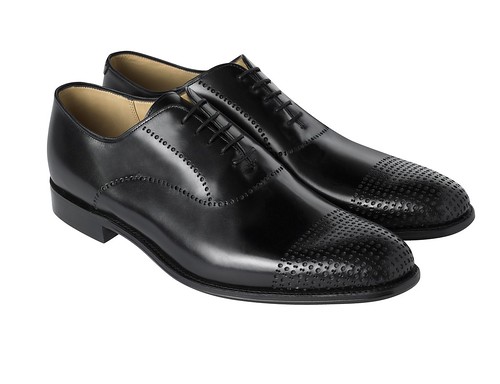
Last month I was invited to watch the Cheaney craftsmen at work at their Desborough factory, to learn more about one of England's master shoemakers and see the fruits of their collaboration with Joe Casely-Hayford for John Lewis. I eagerly followed and snapped away at each well honed and practiced process from start to finish in the factory that has been their home for well over two hundred years. It was a pleasure to be able to watch each stage unfold in a space that has seen the same processes come together for over two centuries. It is little wonder why Joe Casely-Hayford partnered with them once more. After the deserved success of last season’s Pukk brogues (they had this blogger's heart skipping a few beats), Casely-Hayford has taken the much appreciated design concept a step further. During my time at the factory I was able to see firsthand snapshots of the creation process for the latest Joe Casely-Hayford for John Lewis, Cheaney brogue; the Mentor.  I was fortunate enough to view the finishing touches being applied to one of the final dozen due to be dispatched to John Lewis. A few weeks later and as brogue is now available to purchase online and in the John Lewis flagship store, I couldn't resist taking a closer look. 

Joe Casely-Hayford for John Lewis Mentor Punched Oxford Shoes in black, £250.

The Mentor is a new take on the classic Oxford. Using a whole upper (one piece of leather for the whole shoe), which requires true craftsmanship, he’s collaborated with an English shoemaker to produce a new classic. It showcases sophisticated design elements including an integral punched toe cap and a chamfered Goodyear Welted sole to make a shoe both wonderfully stylish yet practical. It is a stunning shoe and once again, my heart skips a beat or two at the sight of it. Long may this collaboration continue.

Thursday, 14 October 2010

Introducing Private White V.C


In recent seasons commentators and brands alike have taken a keen interest in how and where their clothes are made. There have been numerous labels launched on the 'Made in the...' wave of public intrigue and enthusiasm and I for one, welcome it. Of course there have been moments within all of this that have provoked style ennui but every once in a while one makes you take notice. Last April I encountered Private White V.C. at Cube's Press Day and its debut collection along with the story behind the label captured my imagination. 
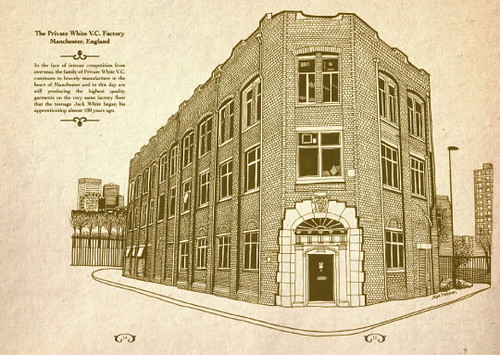
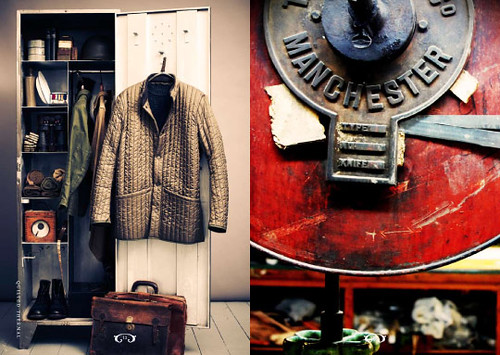
Private White V.C is based on the everyday wardrobe of Private Jack White and its debut collection is a celebration of his endeavours both in battle and as a craftsman. Returning from the Great War having been awarded the Victoria Cross medal for bravery, Private Jack White embarked on an eight year apprenticeship as a pattern cutter at a local raincoat factory in Manchester. For the next thirty years White developed his craft and enhanced his factory's reputation as one of the leading producers of men's apparel in the UK. Cooper and Strollbrand is the largest independent clothing manufacturer in the UK and has been producing, developing and designing for over seventy years from their factory in Manchester. The company boasts a team of close to one hundred staff located in their factory in Manchester where they hand craft all of their patterns and manufacture their garments to be sold across the globe. There was a time when Lancashire was at the heart of the world’s outerwear industry. Now, the factory is one of the last bastions of the clothing manufacturing industry in the UK. Private White V.C serves as a reminder that they have and hopefully will always continue to make fantastic, market leading garments using the finest British materials and craftsmen. To mark the launch of the label for AW10 and in preparation for the label's pop up venture on Lamb's Conduit Street, we spoke with the Great Grandson of Private White and now director of Private White V.C, James Eden, to learn more about the evolution of the label and the inspirational man behind it.

SS: Aside from being your Great Grandfather, what does Private White VC mean to you?
James Eden: In addition to being my Great Grandfather, Private White VC was a genuine British war hero and a clothing pioneer. He was a man of passion, integrity, immense skill and humility and these traits underpin the brand that proudly carries his name. The brand is a celebration of our clothing heritage and his heroic exploits both in battle and as a craftsman.


SS: You are one of the countries eldest and most experienced clothing manufacturers. How has the factory evolved since its inception and how has it survived despite the decline of industry in the UK?
James Eden: Whilst the majority of UK makers have either gone out of business or gone offshore we have flourished due to nothing else other than hard work, grit, determination, skill, flair and a relentless passion…easy!! Over the years many manufacturers have failed as they have tried to offer too much to too many people whereas we have stayed true to our heritage and expertise. To this day we sculpt and cut all our patterns by hand and we still use exactly the same traditional techniques that we used in the 1960s and 1970s to cut, make and finish all our garments. We don’t work with any automated machinery which helps to give each of our garments character, a unique feel and charm.


SS: How has the menswear landscape changed since the factory's inception?
James Eden: From 1910 to the 1960s UK menswear was extremely formal and predictable. Just look at any Lowry portrait and you’ll see men wearing identical SB macs, many of which were made here at our factory. In fact up until the 1960s the factory would spend months at a time making just one style over one fabric in a choice of half a dozen or so colours. Now the mix is infinitely more eclectic, with constantly changing shapes, and fabrics…elbow patches, action back pleats, leather piping, wadding, contrast outer fabrics, at times on the same garment!


SS: What was the driving catalyst for the launch of Private White V.C?
James Eden: For years we at the factory have flirted with the idea of offering our own range of garments direct to the general public but for whatever reason, the timing was never deemed right. However, the misery, and gloom of the recession has meant that we have felt compelled to do our utmost to try and put UK manufacturers and Manchester in particular back on the map. About 30 years ago, Lancashire was the heart of the world’s outerwear industry and I think now is a fantastic time for us to stand up, be counted and for people to be reminded that we have always and will continue to make fantastic, market leading garments using the finest British materials and craftsmen.


SS: Each piece in this capsule collection is drawn from pieces of Jack White’s wardrobe, items he customised to suit his everyday activities. What were the first and last item you remember designing for the label?
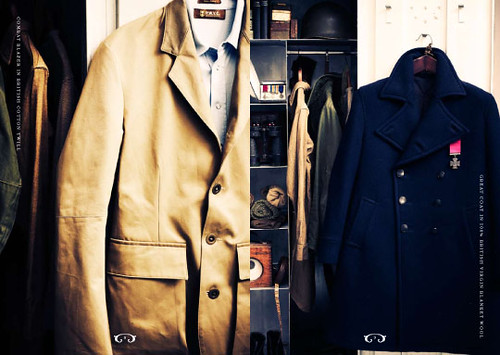
James Eden: The first piece was the DB trench coat, a timeless classic and Private Jack’s favourite! A 100% cotton gabardine weaved, spun and yarn dyed in Yorkshire, sewn in Lancashire, and worn all over the UK. The latest piece we have designed is what are calling the ‘Columbo’ which is an extremely simple and classic fly fronted SB mac. The pattern & cut has been refined to reflect a more modern silhouette whilst the construction is identical to those garments made by the factory in throughout the1930s, 1940s, 50s, 60s, 70s….00’s


SS: I appreciate that this is a difficult question but have you got a favourite piece? What is the standout piece for you?
James Eden: The Squaddie in wax wool is close to my heart as we designed and the developed a completely innovative and unique fabric in our own mill. We wanted to celebrate the original and traditional method of waterproofing to create something indecently warm and trustworthy. The result is a fantastically durable, stylish AND waterproof woollen jacket made from the finest regional yarns.


SS: Private White V.C. has its roots firmly embedded in the Manchester garment industry and it is this heritage that continues today as both an inspiration and an ethos for the brand – all garments are made in Manchester, as they have been for almost a century. How do you see the label developing over the next few years and beyond?
James Eden: The brand will continue to do what we have always done which is to offer great value to our customers who desire the finest and most durable clothing that is hand crafted from one of the UK’s eldest and most experienced factory

 Private White V.C is due to pop up in November on Lamb's Conduit Street.

Tuesday, 12 October 2010

Albam's Factories


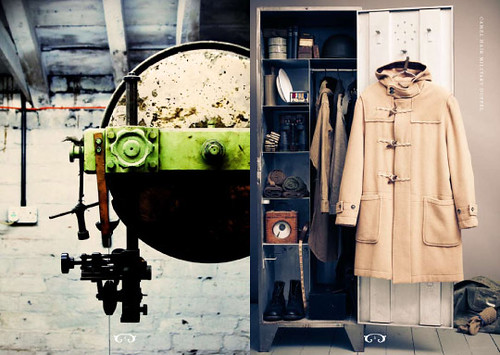
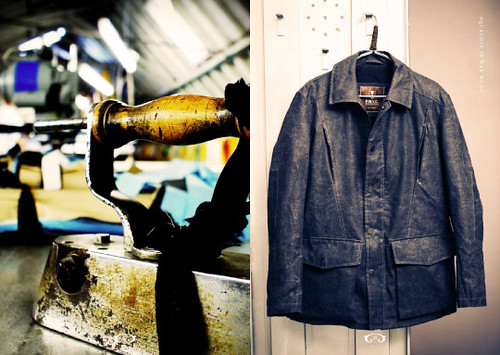
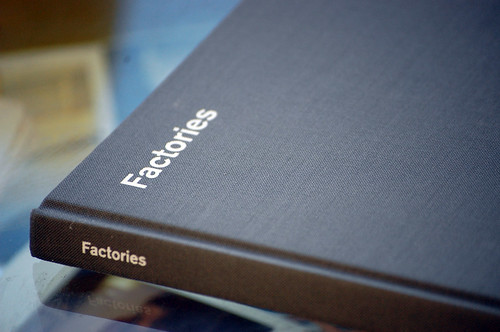
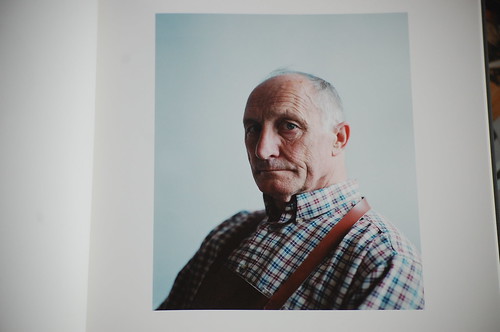
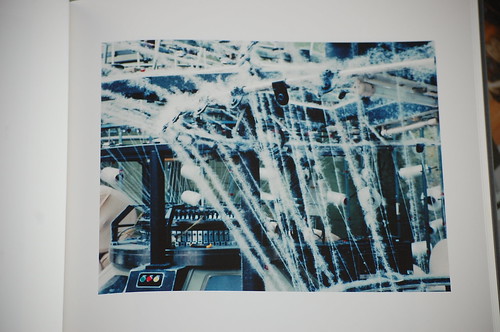
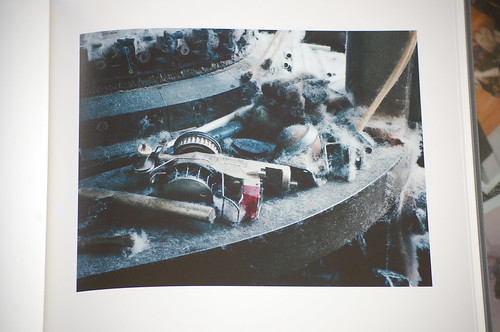
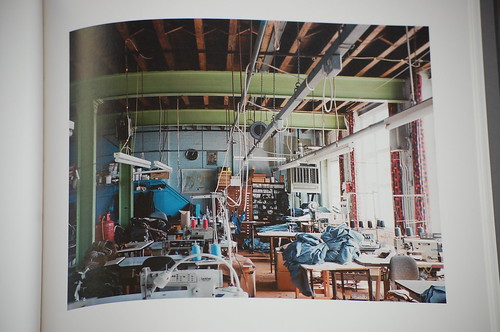
You all know how much I enjoy a spot of factory porn. I love little more than visiting my favourite factories in nooks and crannies across the country. In a collaboration with photographer John Spinks, Albam have opened up the doors to their craftsmen and workspaces with Factories. I first learned about the project during my visit to Albam's Islington store back in May. My factory porn appetite was whet by two framed images which were hung on the downstairs wall. Ever since that sighting I had been keen to get my hands on the fruits of countless factory visits, picture taking, numerous sittings, conversations, lighting adjustments and the occassional loss of cameras. Last Thursday was the launch event in collaboration with Esquire but as the well turned out masses descended on their Beak Street store I was unable to get my excited hands on a copy. Damn Albam's popularity. On Saturday afternoon I returned and finally picked a copy up for myself.

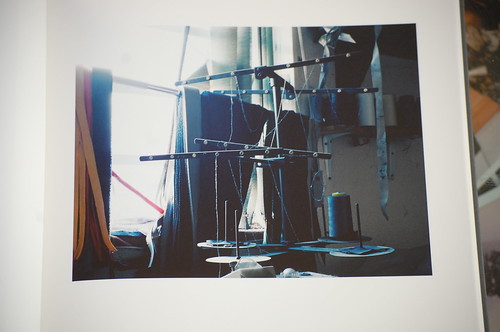
Albam are of course involved in the entire manufacturing process and their factories are obviously a fundamental facet of the brand. This book is about the making process, the people and the places behind the products. When James Shaw and Alastair Rae started Albam, people told them that you could not make anything in England anymore. Of course Albam proved these naysayers wrong but the small workforce that exists are just a rumour of what existed before. If they decide to retire tomorrow, then the industry's gone. Factories celebrates the craftsmen of the label and British industry as a whole while making consumers consider how their wardrobe favourites have been made. To mark the launch, I had a quick chat with James Shaw and alongside our resulting discussion I can share a selection of my favourite pages...  


SS: One facet of the brand is to bring as much product back to Britain and you've spent the last few years building a business which is enabling your British factories to grow and develop with you. 'Factories' feels like a celebration of all of this work and acts as a real showcase for the people, the unsung craftsmen who help make Albam what it is. Was this the driving catalyst for the project?
James Shaw: FACTORIES has been the culmination of two years worth of picture taking. It started with a conversation about what happens if they factories/industry was to stop tomorrow and had it been recently documented. As there doesn't seem to have been a document of the factories we use for a number of years it seemed like a great idea to capture the people that we work with and have done since we started. The conversation between John and myself in the front of the book gives the most detail but I am so excited by the people we work with because there is so much more to them than just making clothes. The way they interact with their tools and surroundings, they just make you want to be in the spaces they work in and get making great products.


SS: When we last spoke to you back in November of last year, you mentioned that the British manufacturing industry is a close knit community which relies heavily on word of mouth discovery. The book offers a welcome insight. How conscious were you of the sense of opening the doors of a seemingly hidden world?
James Shaw: It doesn't feel like opening a hidden world really as it is all around us in each city and it is the world that Albam operates in alongside having stores in London. Our studio in Nottingham is the centre of the garment making district that is sadly minute and it feels quite poignant for the book to be released just as we open our studio up here. Where clothes come from is becoming important as it is in other industries, food for example. The people that go into making Albam what it is are not just in the stores the customers see, but they go back through people in the book and those that didn't make it in the final edit.


SS: How has the relationship with your factories evolved in recent years?
James Shaw: The relationship has just got stronger, they are very important to us as we are to them. There is a sense of doing something in the right way and the results are hopefully worth it for those who wear our clothes and other products. Long may it continue on all fronts!


SS: The images are stunning, how did come to work with John Spinks for this project?
James Shaw: John came into the store in our second week of opening our first store and sent us an email on the Saturday evening he came in the store. I seem to remember details like that! He liked our approach and we liked his approach to image making and then we worked on our AW08 shoot and the relationship started. As we are all from the Midlands we maybe share a certain approach and affinity to our respective professions.


SS: Ultimately, what do you hope the project will achieve?
James Shaw: Apart from selling the book, we would like to think that it will cause people to think about what they are buying, where it is made and also for some they may see that there is something very satisfying about getting involved in this industry. It is hard work, but we wouldn't change it for the world and if people can get the satisfaction we get then that would be worthwhile.


SS: What's next for Albam?
James Shaw: There is so much to do, behind the scenes, in the stores, with the range that there would be too much to list. The future is certainly looking very exciting and this goes from a business perspective to getting the wash perfect on garments. Imminently we have a new website that will launch and should give a clearer insight into what we are doing with the brand and bring out the personality more without it becoming cliche. In short there is lots happening so watch this space!


_____________

Even if you are not in to your factory porn as much as I am, I do hope you can see that it is a beautiful book. The 'Made in England' label has been discussed in length throughout the blogosphere. What does it actually mean? Factories helps to answer this very question. A compilation of stunning imagery depicting the people, spaces, materials, machinery and tools that make up Albam. Factories is currently available at three store locations but will no doubt be available on their website shortly. 

Monday, 11 October 2010

Experiencing Reiss Personal Tailoring


Can you remember your first real suit? I can. I arrived in the city, shaggy haired, unskilled, full of hope but in full realisation that the task of finding employment was essential to survival. Up until then I had owned one Topman suit which had been worn to a variety of dull family extravaganza and the odd formal social function. Now, if this suit had a prime, it had certainly passed long ago. What kind of employer would trust a young man in such sartorial disarray? I needed to take well polished brogue step up on the tailoring food chain. My first executive decision to join the rat race involved a jaunt to Reiss to update my largely high street wardrobe with a premium high street suit. I opted for a simple two button black suit. I can distinctly remember feeling very special indeed when my purchase was whisked away from my uneasy grasp so that alterations could be made. The very idea of alterations was alien to me. Oh how naive I was back then. Fast forward a few years and despite a reduced need for a formal uniform I have found myself back at Reiss. Invited to take another step up on the sartorial ladder to sample their recently launched Personal Tailoring service.
The Reiss Personal Tailoring area within the flagship store.

Long time readers will know how often I have dreamed of entering the world of bespoke and made to measure suiting. The thought of having a suit made to my own personal specification and desire has appealed to me for many years. Thanks to a break to Hong Kong I entered in to this fabulously well fitted world last November. Having been warned that the experience would lead to an addiction I managed to avoid the lure, mainly through the fear of bankruptcy. Almost twelves months on and Reiss gave me the opportunity to step back in to this world to road test their latest offering.

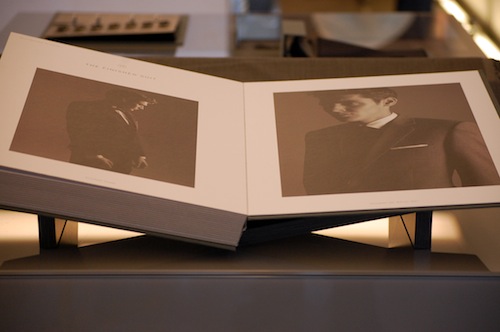
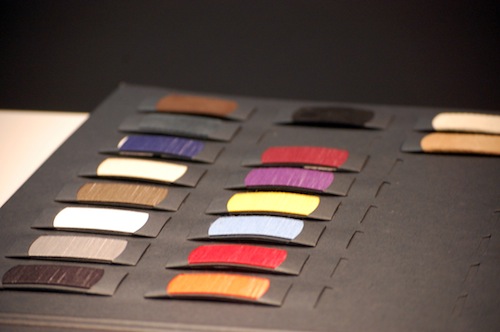
The seventeen process beautifully presented in store.

The Reiss Personal Tailoring experience brings a much needed luxurious approach to formal menswear and has the potential to change the concept of tailoring on the high street. The comprehensive, seventeen stage made to measure service outfits the discerning, modern gentleman. Costing from £550, only £100 more than its most expensive off-the-peg suit this would be a sound investment and takes between four to six weeks from the first consultation to finished suit.

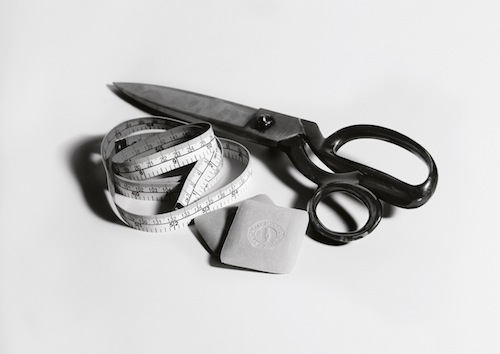
The tailor's essentials

Unless you are Antonio Bracciani (refer to issue No. 9 of Fantastic Man) an off the peg suit will rarely fit. In all likelihood, it will not fit specifically because the brand is designing for a type of man that is different from you. I frequently have issues with sleeve length and pitch while trousers are an ever present thorn in my suiting paw. The thing is most of us don't have ready to wear bodies. As you should all know, a made-to-measure is cut from an existing 'block' which is adjusted to a client's unique specification. Although Reiss are not naming names, the block has apparently been created specifically for them by a prominent Savile Row pattern cutter.

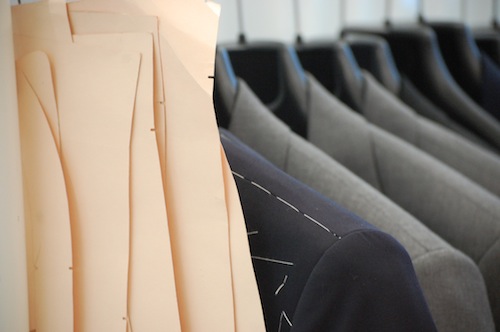
A glimpse at Reiss' block pattern.

Each of the seven stores in Britain that offer the service have personal tailoring specialists to guide you through the process. To ease matters further, my sartorial guide was Ben Leaver, Head of Personal Shopping. Before joining Reiss just over twelve months ago, Leaver worked at Kilgour. He certainly knows a thing or two about suits and was the perfect companion to walk me through the process. The real beauty of a well measured, well made suit is that it will hide any flaws and accentuate the positives. Not only will you look slimmer, taller and more pulled together, but you will move much more freely and feel totally at ease. You should feel as relaxed in it as you would in your favourite pair of jeans. To reach this level of ease, the first stage requires the tape measure. Eighteen measurements are taken with a display of consumate ease. After the measurements were recorded the real fun began as Leaver began to sketch out our shared vision of what the suit could and ultimately would be. The level of choice and degree of customisation is almost overwhelming but Leaver talked me through everything.

A selection of fabric options

To begin with there are more than forty fabric options in combinations of wool and mohair and a variety of patterns. I opted for a mohair blend in a stunning midnight navy hue. Following this decision I had the choice of three jacket styles; one button, two button and tuxedo. Then decisions had to be made on the lapel, pockets, cuff buttons, vents, trouser style, waist details, trousers bottoms, lining, undercollar melton, button holes. After succinctly describing how I wanted the suit to be and how I would wear it, Leaver was soon in perfect pitch with my way aesthetic. I left the first consultation hugely excited and in full confidence that the suit would match my high expectations.

Thread choices...

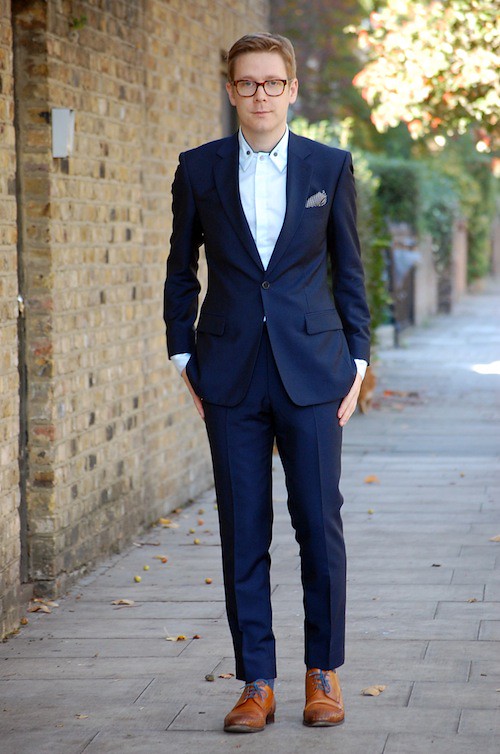
Four weeks later and I was invited back for my first fitting. After reading Simon Crompton's bespoke suit fitting experiences I recalled that one of the most important things to discern in the sleeve at this stage is its correct pitch. By this I mean how it hangs in relation to the body. If there is more material in the back of the sleeve, it hangs forward, more in the front and it will hang further back. Unlike Crompton it seems that my arm hangs a little forward. Leaver soon made the required adjustments by inserting a few pins where necessary. The odd little tweak on the length and fit were the only required amends for the jacket and the trousers only needed the smallest of adjustments. A week later and the finished suit was ready and this weekend saw me wear the suit for the very first time. Below are a few snapshots of my made to measure suit worn on a seemingly made to measure Sunday afternoon in Autumn... 

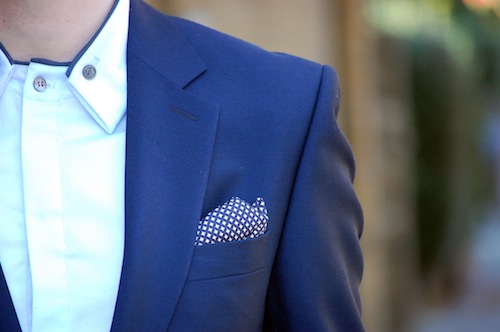
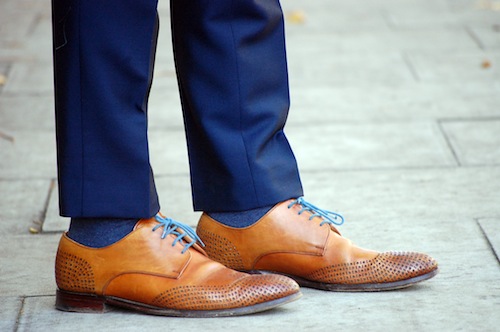
In spite of my terrible posture, the suit manages to accentuate my good points and hide the bad. Worn here with shirt by Omar Kashoura, handkerchief by Drakes, and Pukk shot brogues by Joe Casely-Hayford for John Lewis.

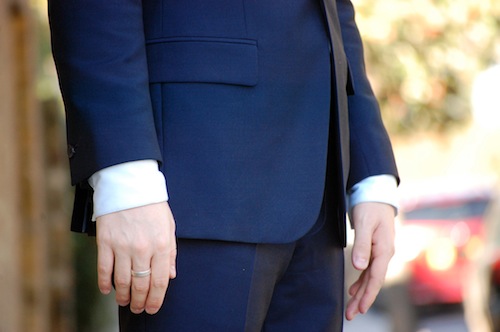
I am particularly pleased with the sleeve length. I might be showing off more cuff than most but after suffering from years of oversized sleeve lengths I positively thrive on revealing that little extra.

A closer look...Worn here with shirt by Omar Kashoura and handkerchief by Drakes.

My new favourite trousers. Finally a pair that fit! As I wanted this suit to be my ideal Sunday Best I opted to go a little higher in the leg and reveal a little more sock and shoe than I normally would. After investing so heavily in my shoe options in recent months it is only right that I wear trousers which show them off.

I take great pleasure in declaring that the finished suit is as close to perfection as I can comprehend. Whilst there is nothing that I would change, there is plenty for me to wax lyrical over. I was hugely impressed by the entire experience. A world away from my previous experiences of tailoring on the high street. As David Nicholls wrote in his piece over on the Telegraph, 'The personal tailoring range is Reiss's stab at 'affordable luxury', with the aim of enticing the more aspirant of its existing clientele as well as the recession-hit banker looking for an alternative to Savile Row.' I am quite certain that the uncompromising level of quality and service that Reiss are offering will help transform how most men buy their suits on the high street.

Thursday, 7 October 2010

Illustrating Menswear Day SS11: E. Tautz

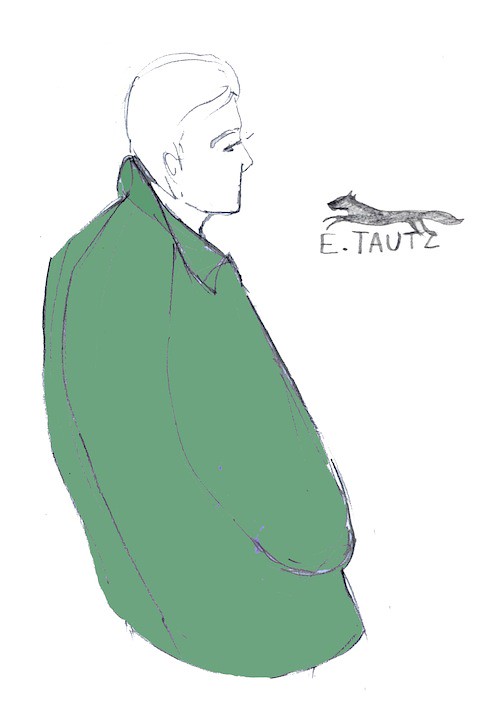
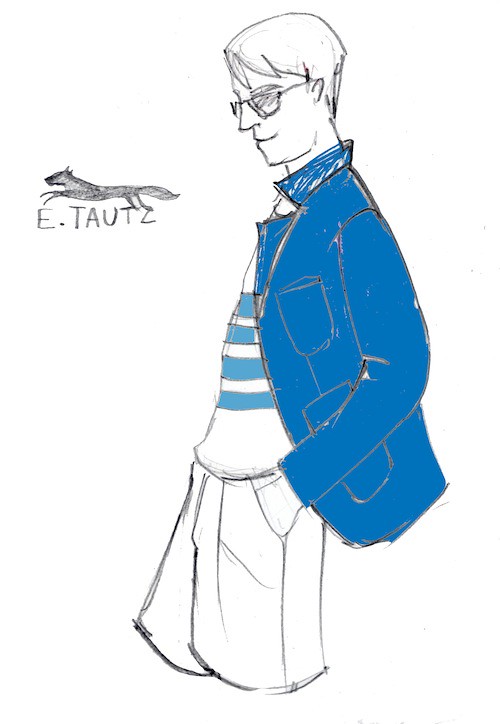
Two weeks have passed since Menswear Day but there is still so much left unsaid. Presentations, catwalk shows and film screenings all celebrated the exciting diversity of menswear design talent which uniquely exists in this capital of ours. It was exciting to see stalwarts of Savile Row sit so comfortably alongside high street regulars, established designers and exciting new talent alike. The entire schedule helped cause a sartorial stir or two whilst collectively flying the flag of menswear and tiring me out in the process. One of the most enjoyable experiences was the salon style presentation at E. Tautz in the Navy Board Rooms. It was perfectly fitting of this particular Savile Row tailoring house: a highly intimate, personal service whereby Patrick Grant introduced each look in a wonderfully personal and engaging manner. 

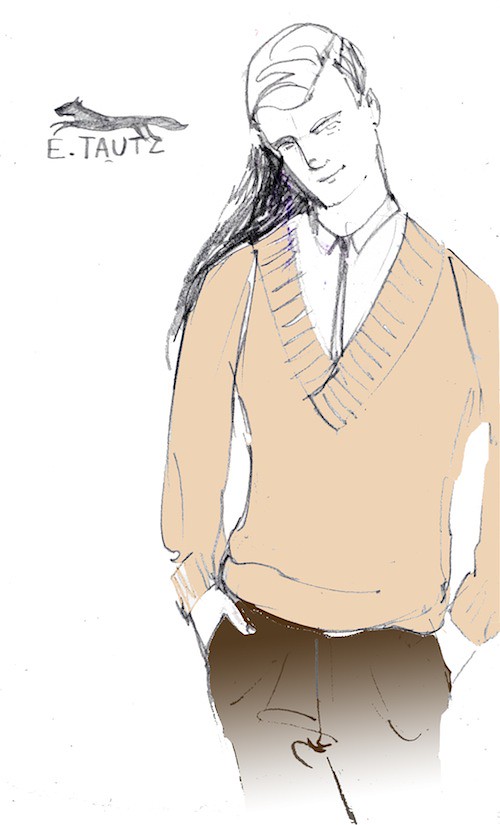
As you should all know by now, E. Tautz is a label which champions the notion of dressing properly and of men taking pride in what they wear. It creates simple cutting paired with bold accents of colour and pattern - cloths with scale and texture; big checks, fine flannels, and stripes. For SS11 they continued to present a modern and elegant aesthetic while fondly glancing back in time. They've cut their cloth with a modish sharpness in crisp wool fresco's, hopsacks in wool and silk, a selection of crisp linens and stiff drills. Last summer, Patrick an his team were inspired by the idea of the Englishmen on holiday but for this season they looked closer to home. There are hints of Brighton Rock with the clipped drainpipes, full collared button downs, pin tight knots and harrington coats. Both Gordon Richardson and Patrick Grant have seemingly been inspired by Greene's novel. While a stripe or two remind us of the British seaside in the height of summer. The collection manages to encapsulate all that is charming about spending the warmer months by the English coast. For me this collection celebrates a quiet but stylish summer in Blighty where you can 99s, sandcastles, beach huts, surprisingly chilly seas and so on. Of course there are moments where a North wind might blow a chill your way but Grant has taken that in to account and offers a navy fresco wool trench teamed with a cobalt blue sea island t-shirt and denim blue trousers. Just lovely. Perhaps I'm biased because I've spent so much time by the English coast but Lauren Macaulay manages to capture the essence of collection with her illustrations... 

Illustrations by Lauren Macaulay

One of Patrick Grant's main reasons for relaunching E Tautz was because he felt that there was nobody creating beautiful, chic, English menswear. He identified a desire for something handmade, beautifully cut and with English cloth at its heart. The label offers simple tailoring with a little something extra added, a bit of pomp, a bit of colour. This collection once again demonstrates chic menswear but with a sense of Englishness that has been lost over the years. The revived house strives to make stylish clothes to which a wardrobe can be built from. Grant's ultimate aim for E Tautz is to secure a position close to the one it held in the 1910s, when Europe and America knew E. Tautz as England's finest sporting tailor and their salons in London and Paris were dressing the world’s most elegant men. With each season, Grant edges closer to his goal.

Wednesday, 6 October 2010

Autumn Favourites


Oh how we love Autumn here at Style Salvage. Some of you might be clinging on to the season just passed but we love those mornings from late September through to December where we can layer, wrap and protect ourselves in an assortment of comfortable and practical fabrics. Wool, tweed, cashmere and anything else we can get our hands on are all layered on to envelop and comfort us. Of course there is the occasional grim autumnal day where we look outside and want to do nothing but watch old films and hide away from the world but after a busy summer even these days can be most welcome. When the sun does shine we happily explore the changing landscape, rich in comforting tones and ever evolving. So, to celebrate our favourite season we asked a selection of our favourite people to tell us about an item in their wardrobe that they are looking forward to wear throughout Autumn. Responses range from a trusty knit that has seen them through many a year to a recent design that they're eager to try for the very first time, the first three items are described below.
____________

"I got this coat when I was living in New York over the summer, and it has the makings of a fall favorite. It's easy, subtle, and comfortable but still has a lot of character."
The Dandy Project

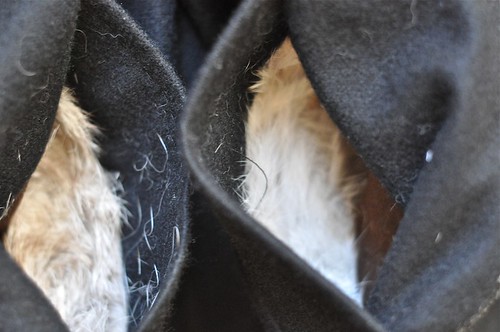
Long black hidden snap-button cashmere coat by Assembly New York

A close up of the cosy pockets
____________

"My favourite autumn/winter item this year is my Crombie coat. I love the minimalism of the design with a fly front, two subtle buttons on the sleeve and sleek jet pockets, together with the masculine structure of the shoulder line - it creates a lovely combination. Skinheads are one of the biggest influences in my personal style, so this is a staple in my wardrobe and no doubt will be for years to come."
Charlie Casely-Hayford.

Charlie modelling his Crombie.
____________

"If you have a tendency to disdain trends, put away the sneer cannon for chambray scarves. Yes, chambray has become as ubiquitous as bad shoes, and wearing a toque in summer has basically ruined outerwear accessories in any season not called winter. But - chambray is a fabulous fabric, and the Japanese varieties used by The Hill-Side are the perfect weight and texture for a fall scarf."
Thomas Wong.

S70-001 Selvedge Chambray Scarf by the Hill-Side
____________

If you are still struggling with the joys of Autumn, we'd like to share the opening stanza of Keats' ever popular To Autumn. There is nothing too confusing or complex in Keats’s paean to the season, with its fruitfulness, its flowers and the song of its swallows gathering for migration.


Over the coming weeks we will be sharing a number of Autumn favourites with you but we'd love to hear from you as well. Is there a particular item that has seen you through many a cooler season? Or perhaps you've recently bought something that you're eager to road test the minute the leaves begin to fall from the trees? Do let us know.

Tuesday, 5 October 2010

Illustrating Menswear Day SS11: James Long

For SS11, James Long presents a hallucinogenic inducing assortment of psychedelic rebels, rich in colour and texture. Referencing iconic drifter and anti hero films such as Midnight Cowboys and My own Private Idaho whilst mixing in recent experiences at Woodstock, the collection celebrates a relaxed time of psychedelic living. Long offers a bright and bold collection, where the man who wears it stands alone on a deserted stretch on a highway, nonchalantly flicking out his thumb for a ride.

Long's juxtaposition of references and fabrics gives us a collection that is both sharp and clean, yet loose and elongated. Realistic but at the same time colourful, creative and almost dreamlike. Texture is always an important facet of Long's creations and there are a number of items here that begged to be stroked as they hitchhiked their way past on the catwalk. The abundance of fabric patch worked together works as a representation of the myriad of different youth cultures that make up the character of the collection. For example, we see trippy knitted patchwork in silver grey wools worn over acid bright silk and chiffon tailored shirts, paired with cobalt blue cotton and lightweight indigo mohair. Elsewhere we see hints of liquorice and tobacco coloured leathers against desert dried denim. This cocktail of fabrics and textures lead to a hazy state of mind and feeling for SS11. Now, I have spent a significant amount of time admiring the backstage shots over on Dazed Digital following Menswear Day but even they could not fully translate the true beauty of the collection. Thankfully for us, Lauren Macaulay has spent the day with paintbrush in hand and the resulting artwork manages to capture the collections wondrous sense of texture. Light mohair, trippy patchwork knitwear and acid bright silk shirts brought to life by watercolours.


Illustrations by Lauren Macaulay

LinkWithin

Related Posts with Thumbnails